
Saguaro Cactus Removal
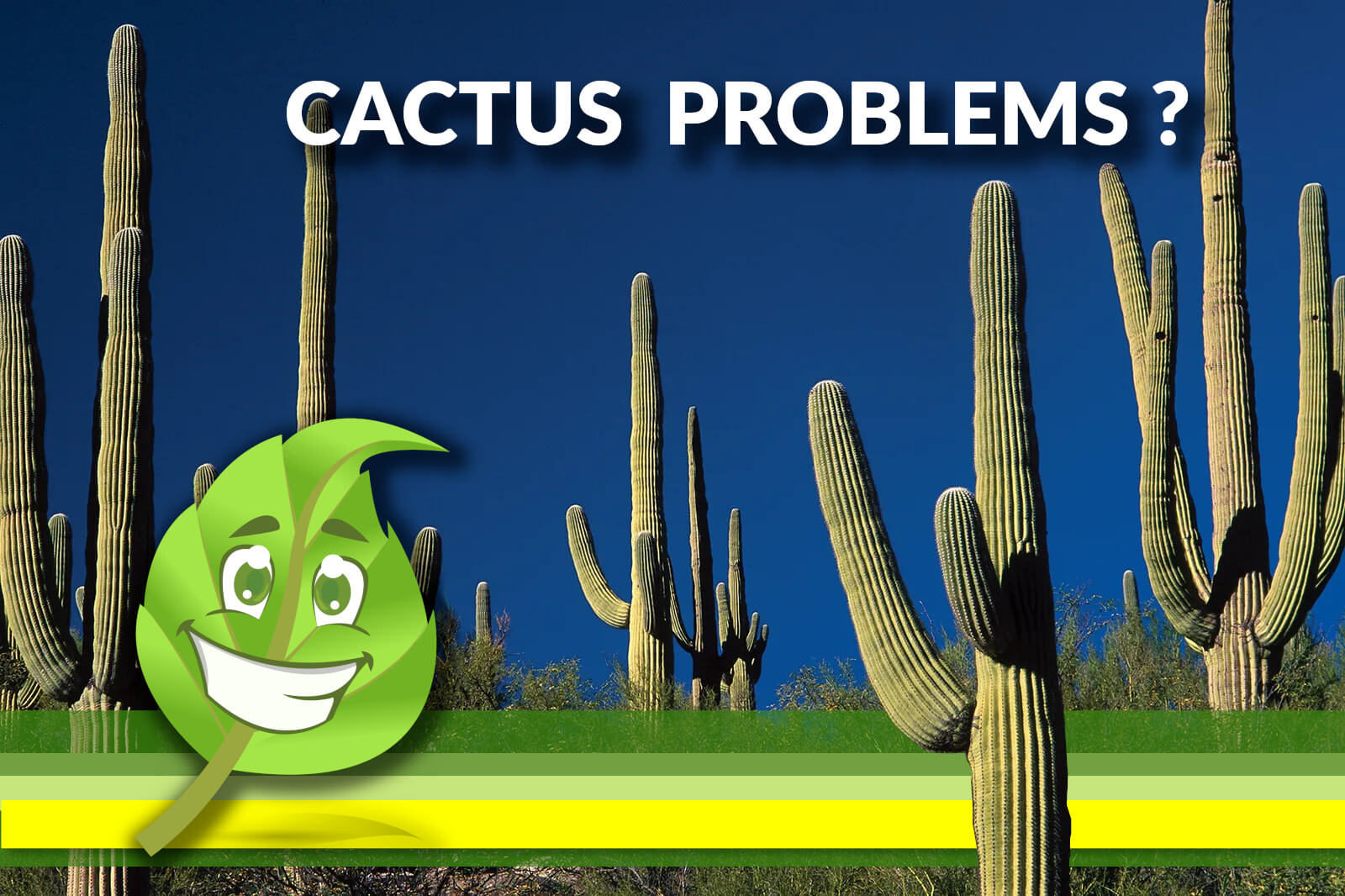
Saguaro cactus is the largest species of the plant in the U.S. It stands more than 40 feet tall with a lifespan of between one hundred to two hundred years. They have a thick columnar stem that is 18 to 24 inches in diameter. It is also composed of several large branches that curve upwards and they can number over 25. The skin is smooth, waxy and covered with protective spines. They bear white flowers in spring and red fruits in summer.
Depending on the amount of water they absorb, saguaro cactus can either shrink or swell in girth by 20-25% increasing their weight up to a ton. They have an intricate root system, a single taproot that grows straight down to the ground in about five feet so as to access the deep underground water. The tap root system is supported shallow roots that run radially around the base of the plant. These roots wrap about rocks protecting saguaro from the dessert wind. The spines are several inches long to prevent destruction by animals. However, despite the big spines that keep most animals and humans away from destroying the plant, saguaro is a home to several bird species such as the Gila Woodpeckers.
FREE Quote!

How Saguaro Cacti are Dangerous to Your Home
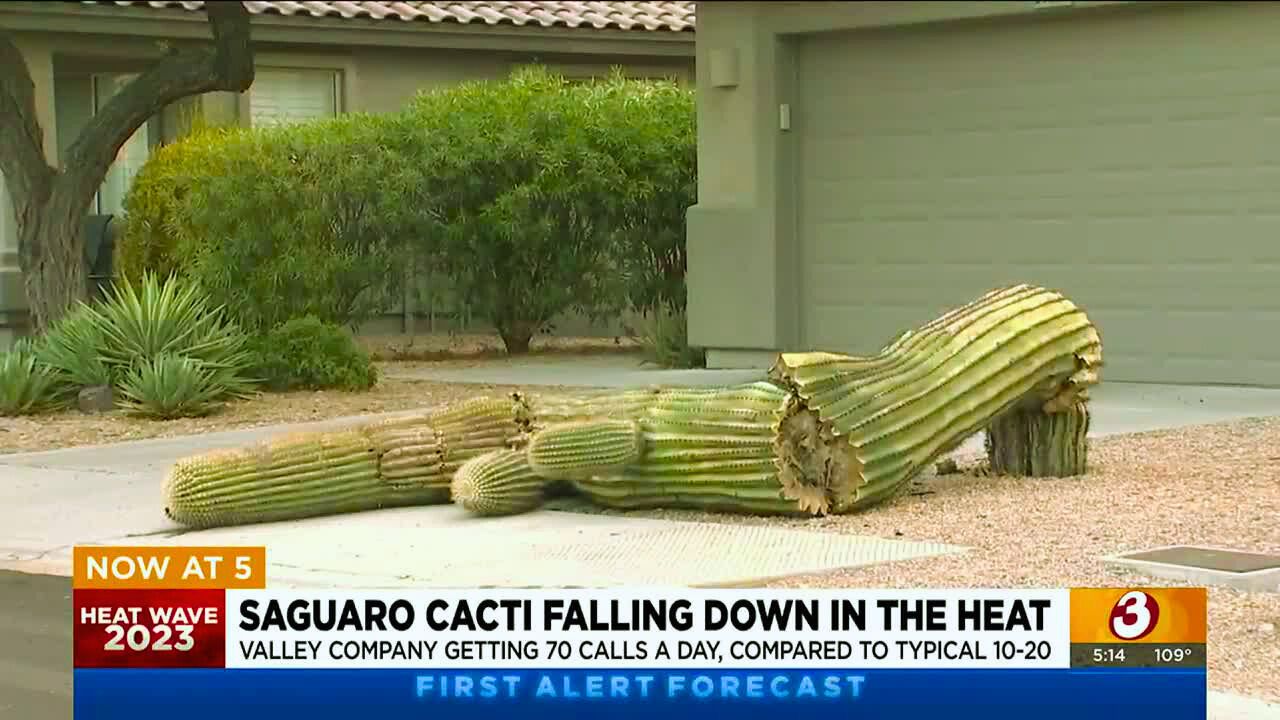
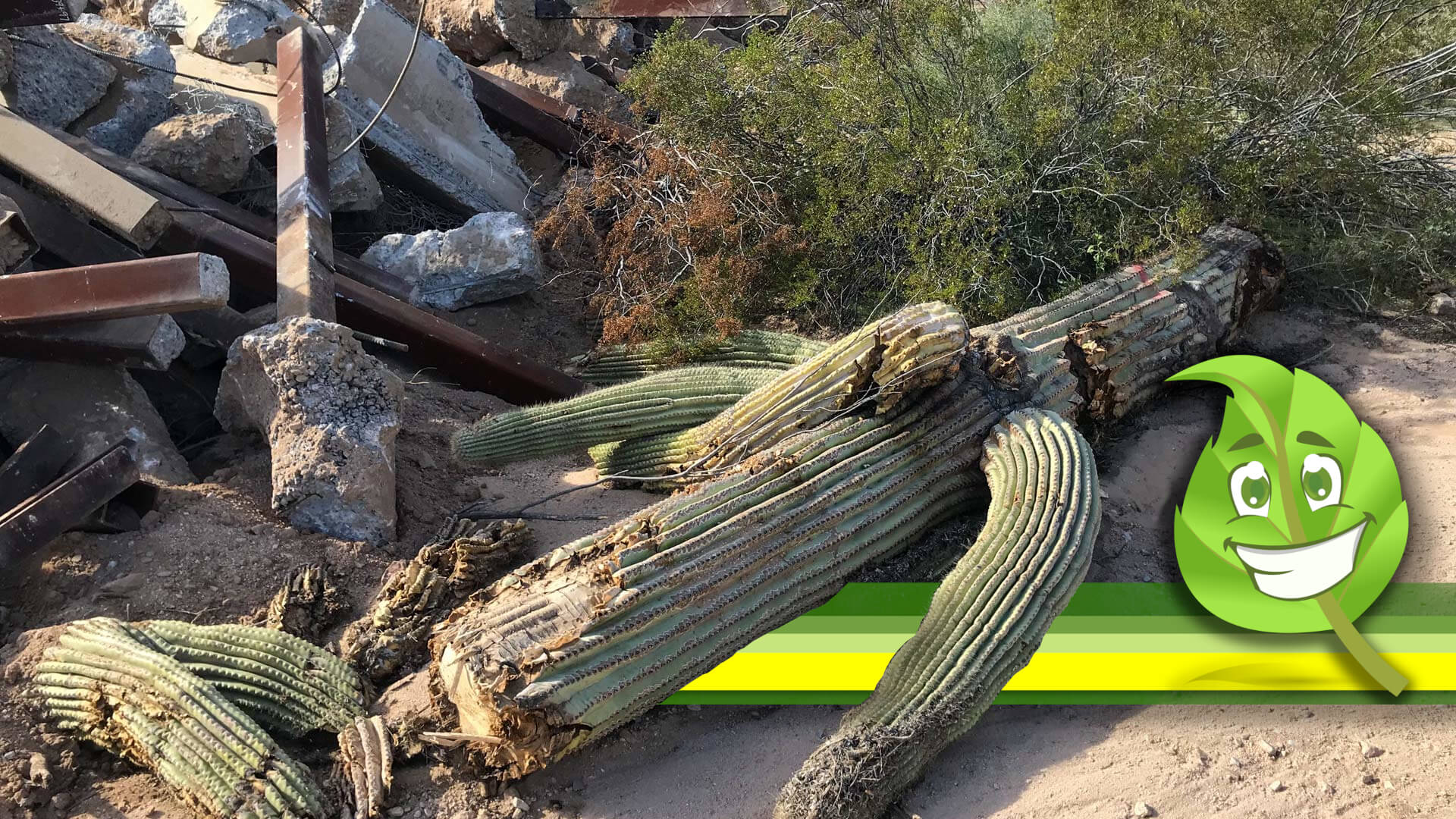
Although most of the home owners have used saguaro cactus to add aesthetic value to their property, they can become potentially dangerous to humans, animals and property especially when they are not closely monitored. When grown in captivity, saguaro cactus can add weight of more than a ton due to the presence of adequate resources. The increased weight outgrows the ability of the root system to support the plant the hence causing most saguaro cactus to lean as they age. Further increase in weight can cause saguaro cactus to fall without notice which is potentially dangerous to home dwellers and property. The cactus variety is also susceptible to bacterial infections that cause the plant to rot from inside. Such conditions are invisible from outside and can make the plant to crumble anytime crushing anything that is on its path.
FREE Quote!
Why You Should Remove Saguaro Cacti
Saguaro cactus grows slowly over the years. They can store huge amounts of water that makes them to flower every year regardless of the rainfall patterns. They have beautiful night-blooming flowers that are 3 inches wide and with many creamy-white petals that are supported by a 4 inch long tube. The tube is filled with dense yellow stamens that are filled with sweet nectar that attracts various birds and other pollinating insects.
Saguaro cacti that are growing in potentially places such as near property and paths should be removed as they pose a threat to lives and property. However, the exercise is quite risky and should only be carried out by qualified and experienced personnel. Considering the risks involved, our company carries a $2 million dollar policy to ensure that all parties involved are protected in case of an accident. We also have a team of certified arborists on staff to ensure that we do our work professionally to guarantee customer satisfaction. Gilbert Tree Trimmers has performed difficult and risky cactus removals for Gilbert, AZ homeowners and surrounding areas for over a decade!
FREE Quote!
Saguaro Cactus Removal Guide
Saguaro Cactus Removal Guide: Safety, Cost, and What Homeowners Should Know
The Saguaro cactus is an unmistakable symbol of the Arizona desert. These towering plants can live for generations and grow to massive proportions. However, there are times when a saguaro becomes unsafe, unhealthy, or incompatible with a property’s layout. When that happens, proper removal becomes a serious matter — involving safety risks, legal considerations, and significant cost.
This guide explains:
- Common situations that justify Saguaro cactus removal
- Why attempting removal yourself can be dangerous
- What factors drive the high cost of professional removal and disposal
1. When a Saguaro Cactus Needs to Be Removed
Although Saguaros are protected and valued, there are legitimate circumstances where removal is necessary. These situations typically involve safety, health, property development, or compliance with regulations.
A. Structural Instability and Safety Concerns
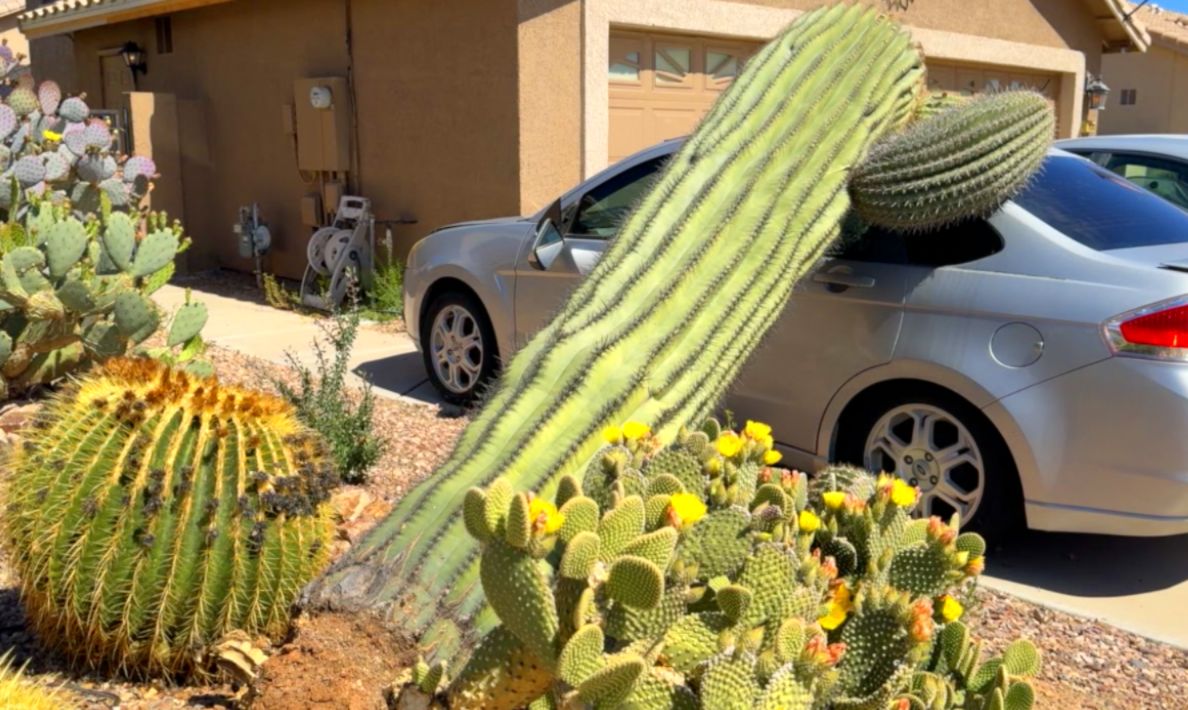 As Saguaros mature, they can become extremely heavy — especially after rainfall. Leaning, cracking, or base deterioration can signal instability. A falling Saguaro can cause serious damage to homes, vehicles, fences, or people. According to the National Park Service, mature Saguaros may weigh several tons when fully saturated.
B. Disease, Rot, or Internal Decay
Like all plants, Saguaros can suffer from bacterial infections, fungal rot, and internal breakdown. When the internal rib structure weakens, the cactus can collapse without warning. Guidance from the University of Arizona Extension highlights how disease often makes removal the safest option.
C. Conflicts With Construction or Property Improvements
Home additions, swimming pools, driveways, or utility installations may require clearing space where a Saguaro stands. Because Saguaros have wide root systems and deep taproots, they can interfere with foundations and underground work. Conservation guidance is outlined by the Sonoran Institute.
D. Space, Visibility, and Property Use Issues
Large Saguaros can obstruct views, crowd outdoor living spaces, or limit usable yard area. In some cases, removal is the only practical way to improve functionality or accessibility on a property.
E. Legal Compliance and Native Plant Regulations
Saguaros are protected under Arizona native plant laws. Removal often requires documentation, tagging, or permits. The Arizona Game and Fish Department provides official guidance on lawful handling and removal.
2. Why Removing a Saguaro Yourself Is Extremely Risky
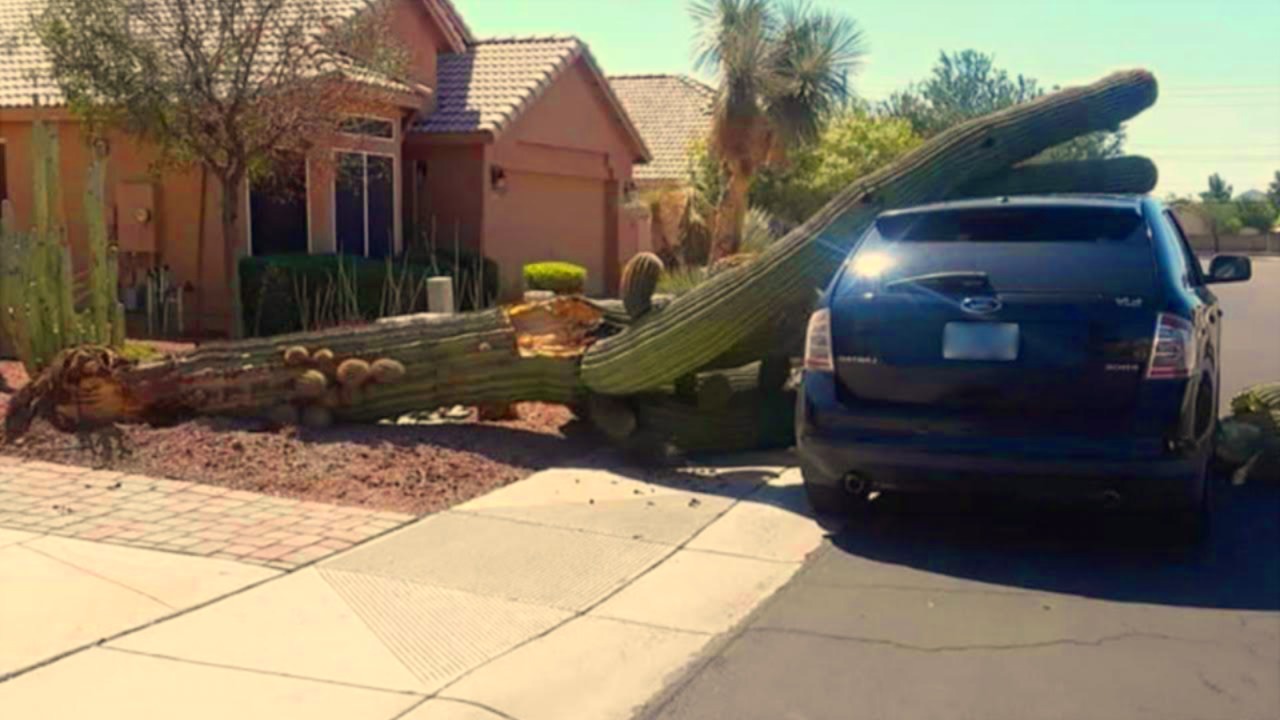 While some homeowners consider DIY removal to save money, working with a Saguaro cactus is dangerous without proper training and equipment.
A. Massive Size and Unpredictable Weight Distribution
Many Saguaros exceed 30 feet in height and develop multiple arms. Their internal structure can shift unexpectedly when cut, increasing the risk of uncontrolled collapse.
B. Severe Injury Risks From Spines
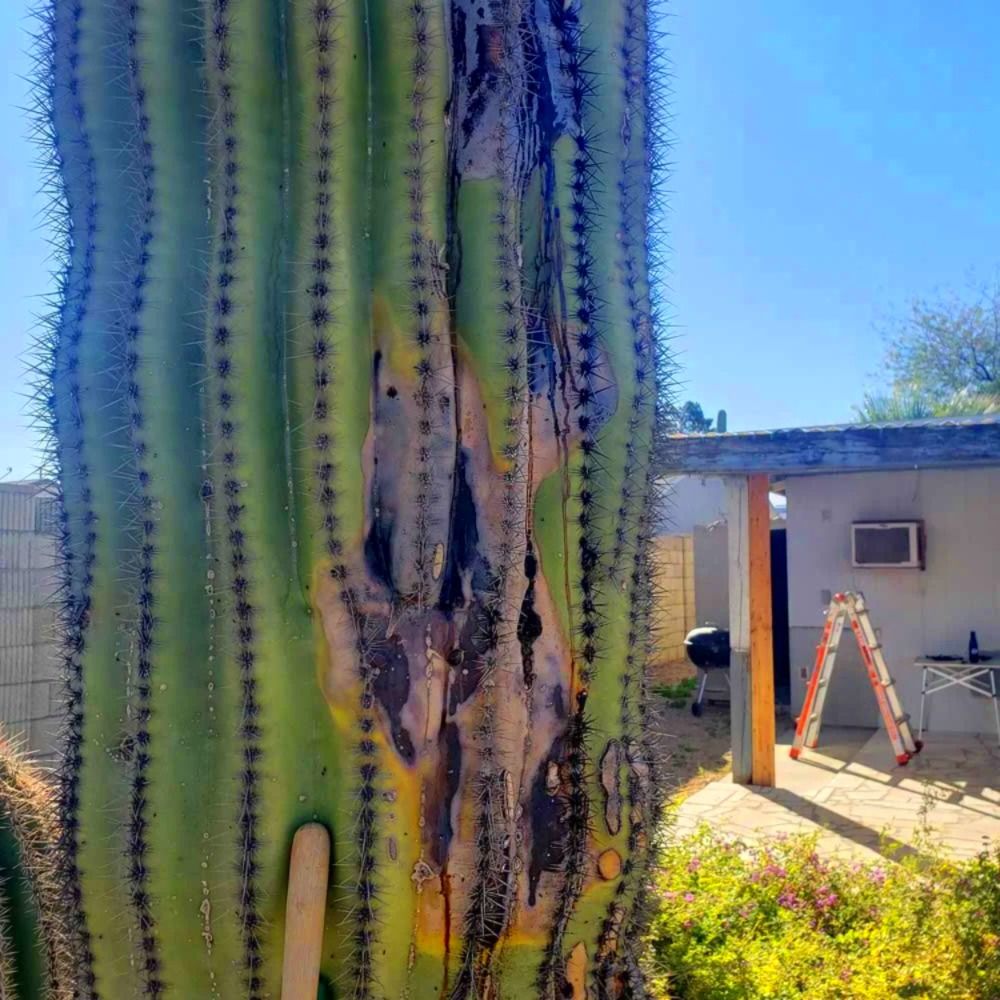 Saguaro spines are rigid, sharp, and capable of penetrating skin, tires, and protective clothing. Improper handling often results in puncture wounds that may become infected.
C. Specialized Equipment Requirements
Professional removal frequently involves cranes, lifts, rigging systems, chainsaws, and trained crews coordinating cuts. Industry safety practices referenced by OSHA emphasize how hazardous this work can be without experience.
Bottom line: DIY Saguaro removal poses serious safety and legal risks and is never advisable for mature Saguaro cactus. Don't risk it!
3. Why Professional Saguaro Removal Is Expensive
The cost of removing a Saguaro cactus reflects the complexity and risk involved. Several key factors influence pricing.
A. Height, Arm Count, and Location
Taller Saguaros with multiple arms require more time and planning. Limited access near homes, walls, or utilities increases labor and equipment costs.
B. Heavy Equipment and Skilled Labor
Crews often use cranes or boom lifts to safely section the cactus. Multiple trained workers are needed to control cuts, manage fall zones, and prevent damage.
C. Permit Handling and Compliance Costs
Companies factor in time spent on paperwork and coordination with regulatory agencies, ensuring the removal complies with state and local laws.
D. Disposal and Transportation Challenges
Saguaro debris is heavy, spiny, and difficult to transport. Specialized hauling and disposal fees are often required.
E. Insurance, Liability, and Business Overhead
Professional companies carry insurance to protect homeowners and workers. These costs, along with fuel, equipment maintenance, and labor, contribute to pricing.
4. What Homeowners Typically Pay
While every situation is unique, general price ranges often include:
- Small or easily accessible Saguaros: ~$400
- Medium-sized or moderate access: $500–$1,000+
- Large, complex, or high-risk removals: $2,000–$3,000+
5. Smart Steps Before Scheduling Removal
- Ask what is included: stump grinding, hauling, cleanup, disposal fees
- Verify Liability Insurance & Workers Compensation Insurance
- Document cactus condition with photos prior to removal
6. Final Thoughts
Saguaro cactus removal is not a routine landscaping task. Safety hazards, legal protections, and the sheer size of these iconic plants make professional removal the safest and most responsible choice. While the cost may seem high, it reflects the expertise, equipment, and risk involved.
If a Saguaro on your property is becoming a concern, call our Saguaro cactus removal service pros for your Free Quote!
FREE Quote!